


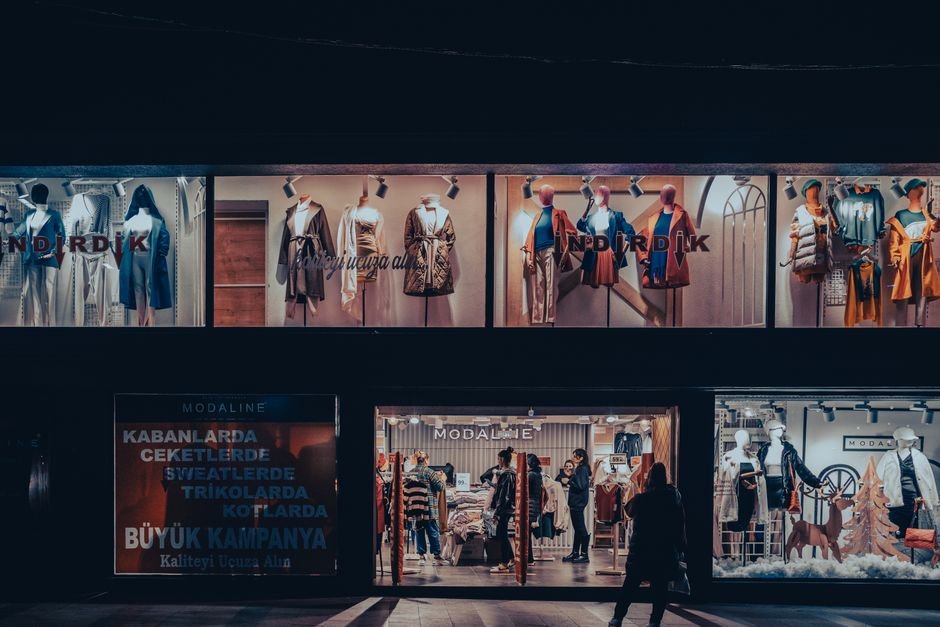
Shoppers across the Southeast are seeing clearance signs, reading local news about store closures, and asking a simple question: is Belk done for good? The short answer is no — Belk is not going out of business. But the full picture is more complicated than that, and it’s worth understanding what’s actually happening.
This article covers what Belk’s 2021 bankruptcy actually meant, why selective store closures are not the same as a full shutdown, what the current ownership situation looks like, and what customers should do about gift cards and credit accounts right now.
Belk Filed for Bankruptcy in 2021 — Here’s What That Actually Meant
The word “bankruptcy” tends to set off alarm bells. But not all bankruptcies mean a company is shutting down. There are different types, and the type matters a lot.
Belk filed for Chapter 11 bankruptcy in February 2021. Chapter 11 is a reorganization tool, not a liquidation order. It gives a company court protection to restructure its finances while keeping the lights on. Stores stayed open before, during, and after the process.
What made Belk’s case unusual was how fast it resolved — reportedly in around 24 hours. That is extremely rare. It happened because this was a pre-packaged bankruptcy, meaning Belk’s lenders and ownership had already agreed on terms before the filing. The whole thing was a coordinated financial move, not a surprise collapse.
The goal was to reduce debt, not close stores. Think of it like refinancing a mortgage while still living in the house. The debt gets restructured, and you keep going. JCPenney and Neiman Marcus both used the same Chapter 11 process and continued operating afterward. Belk followed the same pattern.
Who Owns Belk Now and Why It Matters
Belk has been privately owned since Sycamore Partners, a private equity firm, acquired it in a deal announced around 2014–2015 for roughly $3 billion. That ownership structure has a direct effect on what information is available to the public.
Because Belk is privately held, it does not release detailed public financials. That creates an information gap. When people can’t find clear data, rumors fill the space. That’s a big reason why “is Belk closing?” searches spike whenever a local store shuts down.
Sycamore Partners has a track record of buying retail brands and applying aggressive cost-cutting. Their portfolio has included Staples, Nine West, and others. That history is worth knowing as context, but it doesn’t tell you exactly what will happen with Belk. What it does signal is that decisions will be driven by financial performance, not tradition or brand loyalty.
Private ownership is not the same as imminent failure. But it does mean less transparency — and that matters if you’re an employee, a vendor, or a customer with money tied up in gift cards or rewards points.
Store Closures Are Real — But They’re Not the Same as Going Out of Business
Here’s where a lot of the confusion comes from. Belk has been closing stores. That part is true. But closing some stores is not the same as closing all stores.
Belk has been shutting down underperforming locations since at least 2018. Regional outlets like the Charlotte Observer have covered specific closures across multiple states. These are real, and they affect real communities.
But consider this analogy: if a regional restaurant chain closes three slow locations while keeping 60 others open, nobody says the company is “going out of business.” They’re cutting what isn’t working. Belk is doing something similar — managing its footprint in response to changing foot traffic, lease economics, and consumer habits.
As of the most recent available reporting, no credible announcement of a full chain liquidation has been made. Belk continues to run active loyalty programs, seasonal promotions, and an online store. Companies that are winding down don’t invest in those things.
That said, the closures are not random noise. They reflect real pressure on the traditional department store model. Mall traffic has been declining for years. Amazon, Target, and off-price retailers like TJ Maxx and Ross have taken significant market share. Those competitive forces are not going away, and Belk is not immune to them.
What Belk Customers Should Do About Gift Cards and Credit Accounts
If you have money tied up with Belk in any form, here’s practical guidance on each situation.
Gift Cards
As long as Belk is operating, gift cards remain valid. If a specific store closes, you can typically use the balance at another location or online. The risk with any retailer showing financial stress is that if the company eventually liquidates, unused gift card balances can become difficult or impossible to recover.
The safest move is simple: use your Belk gift card balance sooner rather than later. This is a good rule for any retailer facing uncertainty, not just Belk. Don’t let a $100 balance sit unused for six months when you could spend it now on something you need.
Rewards Points
Check the expiration terms on your rewards account. Loyalty points are usually one of the first things affected when a retailer restructures or closes locations. If you have points sitting in your account, review what they’re worth and consider using them before you lose them.
Belk Credit Card Holders
Belk’s credit card is managed by a banking partner, not Belk itself. That means your account doesn’t disappear if Belk closes stores or goes through further restructuring. You still owe what you owe, and the bank still expects payments. Terms and rewards structures may change over time, but the account itself is separate from Belk’s retail operations.
How to Check If Your Local Belk Is Closing
Social media posts and clearance sales are not reliable indicators. Retailers run big markdowns all the time without closing. Here’s what actually signals a closure:
- Official “store closing” signage inside the store
- A confirmed announcement in local or regional news
- Your location disappearing from Belk’s official store locator
If you’re unsure, check Belk’s website directly or call the store. Don’t make decisions based on a Facebook post or a friend’s rumor.
How Does Belk Compare to Other Department Store Chains?
It helps to look at how other chains handled similar situations. Sears and Bon-Ton are gone — they went through bankruptcy and ended in full liquidation. That’s the worst-case outcome. But JCPenney and Neiman Marcus both went through Chapter 11 and came out still operating, with new ownership and restructured debt.
Belk’s trajectory looks more like the JCPenney model than the Sears model, at least based on what’s publicly known. The 2021 bankruptcy was fast and pre-arranged. Stores kept running. The company has continued to invest in online sales, curbside pickup, and merchandise updates. None of that is the behavior of a company preparing to shut down.
Still, the department store category as a whole is under pressure. Belk operates in a shrinking segment, and that’s a structural challenge that won’t be fixed by any single season or promotion. For an in-depth look at retail trends affecting chains like Belk, Bloom Business Mag covers the broader shifts in consumer spending and retail business strategy.
The Bottom Line
Belk is not going out of business. But it is a retailer under real financial and competitive pressure, operating in a category that has seen multiple major failures in recent years.
What the facts show is this: Belk used Chapter 11 in 2021 as a planned restructuring tool, not a distress signal. It continues to operate stores, run promotions, and invest in digital channels. Selective closures are happening and will likely continue. But there has been no announcement of a full chain shutdown.
If you’re a Belk customer, use your gift card balance now, check your rewards expiration dates, and watch local news for confirmed closure announcements rather than relying on social media speculation. If you’re watching this situation as a business professional, Belk is a useful case study in how private equity-owned retail chains navigate debt, restructuring, and a changing consumer landscape — with outcomes that are still being written.
Read Also:
