


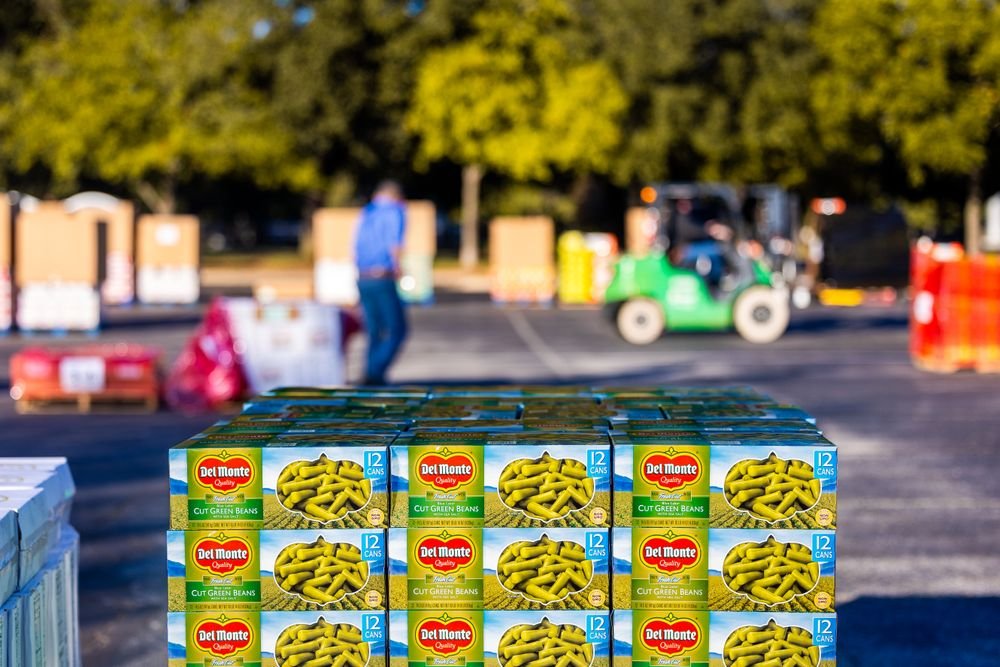
Del Monte Foods filed for Chapter 11 bankruptcy on July 1, 2025 — after more than 130 years as one of America’s most recognized canned goods brands. If you’ve seen the headlines and wondered whether Del Monte products are disappearing from store shelves, the short answer is: probably not.
But the longer answer is more complicated. The company that made those cans is being broken up and sold off in pieces. The brand, however, is moving on under new ownership. Here’s exactly what happened, who bought what, and what it means going forward.
Del Monte Foods Filed for Bankruptcy — Here’s What That Actually Means
Filing for Chapter 11 bankruptcy does not mean a company shuts down immediately. It’s a legal restructuring process that lets a business keep operating while it works out a plan to deal with its debts — usually through selling assets, renegotiating contracts, or finding new owners.
Del Monte Foods filed voluntarily in New Jersey bankruptcy court with liabilities estimated between $1 billion and $10 billion. Court documents referenced debtor-in-possession financing of approximately $912.5 million, which allowed the company to keep the lights on and products moving during the process.
So why did a 130-year-old brand end up here? A few reasons stacked up at once:
- A heavy debt load that became harder to service as borrowing costs rose
- Declining consumer demand for canned fruits and vegetables
- Inflation squeezing margins on both input costs and operations
- Miscalculations in inventory during and after the pandemic
- Competition from store brands, fresh produce, and frozen alternatives
A useful comparison here is Hostess and the Twinkies story. When Hostess went bankrupt, people assumed Twinkies were gone forever. They weren’t. The operating company collapsed, but the brand and products came back under new owners. Del Monte is following a similar path — the corporate structure failed, but the brand is being absorbed rather than erased.
Del Monte Foods vs. Fresh Del Monte Produce — Two Different Companies
This is where a lot of people get confused, and it’s worth clearing up before going further.
Del Monte Foods is the U.S.-based company that went bankrupt. It controlled canned and packaged goods — think canned corn, green beans, tomato sauce, fruit cups, and broth brands like College Inn.
Fresh Del Monte Produce is a completely separate, publicly traded global company. It focuses on fresh fruit — bananas, pineapples, melons — and had nothing to do with the bankruptcy. In fact, Fresh Del Monte Produce was in solid financial shape and became the primary buyer in the bankruptcy sale.
The two companies shared the “Del Monte” name for roughly 40 years under a licensing arrangement after a corporate split. One company used the brand for fresh produce; the other used it for packaged and shelf-stable goods. That split is now over. The 2026 acquisition effectively reunites the Del Monte brand under a single owner for the first time in about four decades.
Who Bought What — How Del Monte’s Assets Were Split
The court-supervised sale was announced in January 2026. Regulatory approval came through on February 6, 2026. Three buyers ended up dividing the business.
Fresh Del Monte Produce — $285M for the Core Business
Fresh Del Monte paid $285 million for the majority of Del Monte Foods’ assets. This includes the vegetable and tomato product lines, refrigerated fruit, and the Joyba beverage line. They also acquired several manufacturing facilities in Texas, Illinois, Wisconsin, Washington, Mexico, and Venezuela.
Most importantly, Fresh Del Monte acquired the global Del Monte brand rights. That’s the strategic move — they’re now the sole owner of the Del Monte name worldwide.
Pacific Coast Producers — Shelf-Stable Fruit and Fruit Cups
Pacific Coast Producers (PCP), a California-based agricultural cooperative, acquired the canned and shelf-stable fruit business, including fruit cups. PCP also received a license to use the Del Monte and S&W brand names for shelf-stable fruit products in the U.S., Mexico, and Puerto Rico. That deal was confirmed in a PCP press release dated March 19, 2026.
B&G Foods — Broth and Stock Brands
B&G Foods acquired the broth and stock business, picking up the College Inn and Kitchen Basics brands. Those products will continue under B&G’s ownership going forward.
The practical result for consumers: Del Monte-labeled canned vegetables and tomatoes will come from Fresh Del Monte. Del Monte-labeled canned peaches and fruit cups will come from PCP. College Inn broth will come from B&G. Different companies, same shelves — at least for the most part.
Which Plants Are Closing and Who Is Affected
Not everything transferred to new owners. Some operations didn’t survive the restructuring, and the impact on workers and farmers has been significant.
California Canneries Shut Down for Good
The Modesto and Hughson canneries in California’s Central Valley — the last Del Monte canneries in the state — closed on April 7, 2026. The Modesto plant alone employed roughly 600 full-time workers and another 1,200 seasonal workers. Those jobs are gone.
The closures also hit California’s agricultural community hard. Peach growers who had long-term supply contracts with Del Monte’s Modesto facility suddenly lost their primary buyer. Estimated losses to California peach growers are around $550 million, tied to those canceled contracts and the loss of local processing capacity.
Cling Peach Trees Coming Down
As Del Monte exits California peach production entirely, approximately 420,000 cling peach trees in the Central Valley are being removed. Growers who spent years building those orchards around Del Monte supply contracts now have to rip them out and decide whether to replant something else or exit fruit farming altogether.
A $9 million federal grant was made available to help offset some of the tree removal costs. That’s meaningful support, but against $550 million in projected agricultural losses, it covers only a fraction of the damage.
This is a real-world example of how a large corporate restructuring sends shockwaves through entire regional economies — not just the company’s employees, but the farms, suppliers, and communities built around it.
What This Means for Consumers and Business Observers
If you’re a regular shopper, you’ll likely still see Del Monte products on shelves. The brand isn’t disappearing. But some things may shift:
- Canned vegetables and tomatoes continue under Fresh Del Monte
- Canned and shelf-stable fruit products continue under PCP with a Del Monte brand license
- College Inn broths continue under B&G Foods
- Some product varieties or regional availability may change as new owners rationalize their lineups
For business professionals and entrepreneurs watching this story, there’s a useful lesson about what happens when a company carries too much debt while its core market slowly shrinks. Del Monte wasn’t blindsided overnight. Canned goods have faced declining consumer interest for years as people shifted toward fresh, frozen, and convenience-packaged alternatives. The company’s debt load made it impossible to adapt fast enough.
For more business analysis and coverage of stories like this, Bloom Business Mag covers restructurings, industry trends, and what they mean for operators and investors.
The Del Monte case also shows how brand value can outlive the company that built it. Fresh Del Monte spent $285 million not just on factories and recipes — it spent heavily to reunify a brand that consumers still recognize and trust after 130-plus years. That brand equity has real value, even when the operating company behind it fails.
The Bottom Line
Del Monte Foods as a corporate entity is finished. The restructuring is done, the plants in California are closed, and the assets have moved to new owners.
But the Del Monte brand is not going away. Fresh Del Monte Produce now controls the name globally and runs the core product lines. Pacific Coast Producers handles shelf-stable fruit under the brand license. B&G Foods has the broth business.
What’s actually gone is the old corporate structure — a debt-heavy company caught between rising costs and shrinking demand, trying to serve a market that had been slowly moving on for years. The brand survives. The business model that carried it for the last few decades did not.
Read Also:
